Health and Safety Policy for Removal Van Notting Hill
 The health and safety of our team, clients, and members of the public is central to every removal van Notting Hill service we carry out. This policy sets out the standards we follow to reduce risk, prevent injury, and ensure that every move is handled responsibly. Whether we are managing a small apartment move or a larger household relocation, we apply the same careful approach to planning, lifting, loading, and transport.
Our commitment is based on prevention, awareness, and control. We believe that safe working practices are not optional; they are part of the quality of service. Every member of the team is expected to work in a way that protects themselves and others, while maintaining professionalism throughout the move.
As part of our removal van in Notting Hill operations, we assess each task before work begins. This includes identifying hazards such as tight staircases, heavy furniture, fragile items, slippery surfaces, and restricted parking. Risk assessment helps us decide the safest way to complete the move and allows us to take suitable precautions in advance.
Core Safety Principles
All staff involved in a Notting Hill removal van assignment must follow clear safety principles at all times. These include using correct lifting methods, wearing appropriate clothing and footwear, keeping walkways clear, and securing items properly inside the vehicle. We expect a disciplined approach that reduces the possibility of accidents or damage.
Personal protective equipment may be used when appropriate, depending on the nature of the move. Gloves, supportive footwear, and other safety items can help reduce strain and improve grip while handling boxes or furniture. Team members are also trained to recognise when an item is too heavy, awkward, or unstable to move alone.
 We place strong emphasis on communication during every stage of a removal van service in Notting Hill. Clear instructions help prevent misunderstandings when carrying items through corridors, up stairs, or into the van. This is especially important when several people are working together in confined spaces or under time pressure.
Vehicle and Loading Safety
Safe loading is one of the most important parts of any removal van Notting Hill job. Items must be arranged to prevent shifting during transit, with heavier goods positioned securely and fragile belongings protected from impact. We use suitable straps, covers, and packing materials to keep the load stable and orderly.
Before a vehicle leaves, a basic safety check is carried out. This includes checking that doors close securely, load restraint is in place, and the vehicle is fit for the journey. Drivers are expected to operate the removal van responsibly, remain alert to road conditions, and take breaks when needed to avoid fatigue.
Our team understands that good vehicle management supports safer removals. A tidy van, sensible loading sequence, and careful route planning all contribute to lower risk. In this way, a removal van in Notting Hill can operate efficiently without compromising safety standards.
Manual Handling and Injury Prevention
 Manual handling is a key area of focus in our health and safety policy. Lifting and carrying can create strain if not managed properly, so we encourage team members to plan each movement before acting. This includes checking the weight, shape, and stability of the item, as well as deciding whether it requires two-person handling.
We follow safe lifting techniques, such as bending the knees, keeping the back straight, and holding loads close to the body. Twisting while lifting is avoided wherever possible. If an item is too bulky or presents a risk, the task is paused and reassessed rather than rushed.
To reduce the chance of injury, our Notting Hill removal van team also works to minimise repetitive strain. Tasks are shared fairly, breaks are taken when necessary, and employees are encouraged to report discomfort early. Early reporting helps prevent minor strain from becoming a more serious issue.
Property, Public, and Fire Safety
Protecting the property being moved from is a shared responsibility. Floors, walls, and door frames are treated carefully, and protective coverings may be used where needed. We expect staff to move steadily, avoid unnecessary force, and keep attention on both the item and the surrounding area.
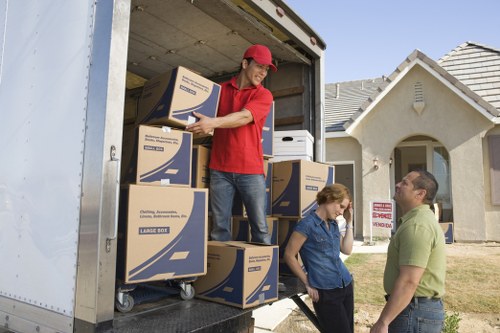 Public safety is equally important during a removal van Notting Hill operation. Pavements, entrances, and shared spaces must remain as clear as possible, with items never left where they could cause obstruction or trip hazards. Team members must remain aware of neighbours, visitors, and passers-by while loading or unloading.
Fire safety measures are also observed. Vehicles should not block emergency access, and smoking or unsafe use of equipment near flammable materials is prohibited. In addition, no item should be packed in a way that creates avoidable heat or pressure risks. A safe removal van service in Notting Hill depends on thoughtful handling from start to finish.
Training, Reporting, and Review
 Training is essential to maintaining a safe working culture. Staff receive instruction on lifting methods, hazard recognition, vehicle loading, and emergency response. Refresher training is provided when needed so that safe practice remains consistent and up to date.
All incidents, near misses, and safety concerns must be reported promptly. Reporting helps us identify patterns, improve procedures, and reduce the chance of repeated problems. We review our working methods regularly and update them when safer alternatives are identified.
Our policy applies to every removal van in Notting Hill assignment, regardless of size or complexity. By combining planning, training, communication, and care, we aim to deliver a service that is both efficient and safe. We believe that a responsible approach benefits everyone involved and supports a professional standard of work at all times.