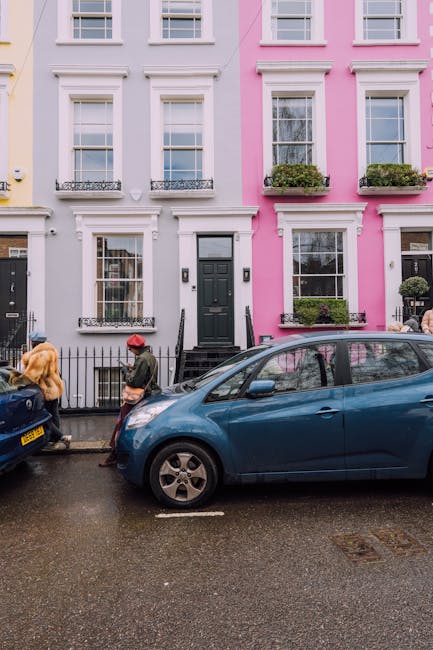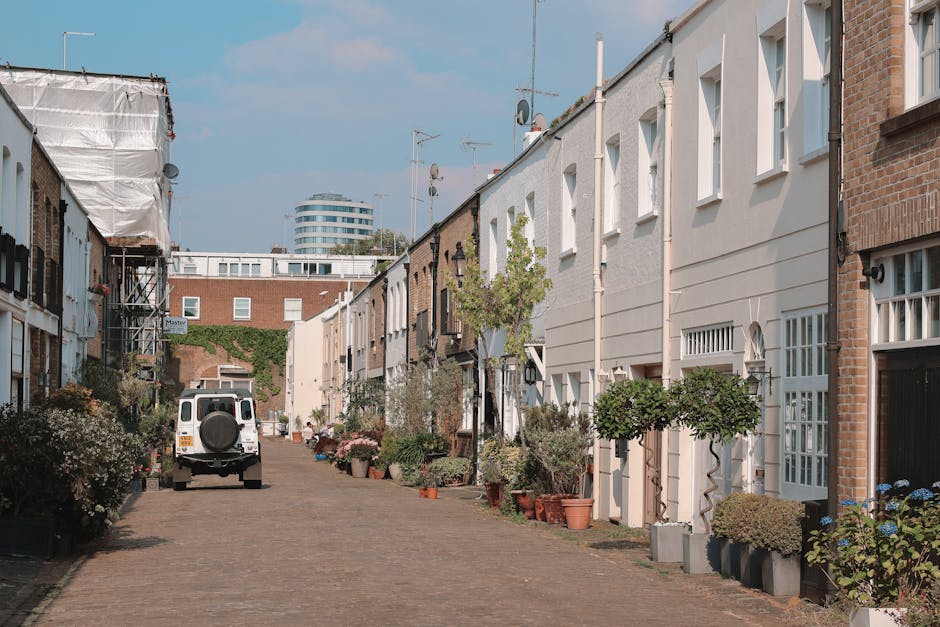
Double parking fines during Notting Hill moves: Council rules explained
If you are moving in Notting Hill, double parking can go from a small inconvenience to an expensive headache very quickly. The streets are busy, loading spaces are often tight, and one badly parked van can block traffic in a way nobody appreciates. That is exactly why understanding Double parking fines during Notting Hill moves: Council rules matters before the boxes come off the lorry.
In plain English, this is about knowing what the local parking restrictions mean, how council enforcement usually works, and what you can do to keep a move legal, calm, and as low-stress as possible. To be fair, most people only think about parking once the sofa is already halfway through the front door. Better to sort it earlier.
This guide walks through the real risks, the practical steps, the usual mistakes, and the sensible ways to plan a move so you are not juggling stairwells, tape, and a penalty notice at the same time. It is written for people moving home, managing a flat move, or arranging a van-based relocation in a neighbourhood where space is precious and patience is not unlimited.
Why Double parking fines during Notting Hill moves: Council rules Matters
Notting Hill is one of those places where a move can feel deceptively simple on paper and surprisingly fiddly in real life. Roads can be narrow, kerb space is limited, and many properties sit in terraces or mansion blocks where access is awkward at the best of times. A van that "just stops for a minute" can become a problem fast.
Double parking fines are not only about money. They can disrupt the whole removal timetable. If a driver is forced to move on, you may lose your loading position, add delay, and create a chain reaction: the crew slows down, the lift booking slips, neighbours get annoyed, and your day gets longer. Nobody wants that. Especially not on a damp London morning with boxes everywhere and the kettle still packed.
There is also a reputational side to this. If you live in a managed block, or you are moving out of one, the way the vehicle is parked can affect how smoothly you deal with concierge staff, neighbours, and building management. One sloppy parking decision can make an otherwise tidy move feel messy. A little planning goes a long way.
And yes, the council side matters because enforcement is usually very practical rather than sympathetic. Civil enforcement officers are looking at where the vehicle is, how it is positioned, whether it is blocking traffic, and whether any loading or waiting allowances apply. "We only needed two minutes" is rarely a strong defence once a penalty has been issued.
Expert summary: If you are moving in Notting Hill, treat parking as part of the move plan, not as a last-minute detail. The cheapest move is usually the one that avoids enforcement trouble altogether.
How Double parking fines during Notting Hill moves: Council rules Works
Double parking generally means a vehicle is stopped alongside other parked vehicles or positioned in a way that obstructs the carriageway rather than staying neatly at the kerb. In a busy area, that can trigger enforcement very quickly, especially if traffic flow is affected or the stop does not fit within an allowed loading situation.
For moving day, the key issue is that not every loading activity is automatically allowed. Some situations may be permitted for a short period if the vehicle is actively loading or unloading, but that depends on the location, the signs, the timing, and the specific restriction in place. In practice, the difference between "acceptable loading" and "double parking contravention" can come down to the exact street and how long the van stays put.
That is why the phrase Double parking fines during Notting Hill moves: Council rules is really shorthand for three separate things:
- whether the street allows loading at all
- how long loading or waiting may be tolerated
- whether the vehicle is actually causing obstruction
Here is the bit many people miss: even if a property is hard to access, that does not automatically override parking controls. The council still expects drivers to follow restrictions, and local enforcement does not usually pause because a mattress is heavy. Fair enough, really.
In real life, the safest approach is to assume that a van parked outside a move needs a plan. That plan might include a legal loading bay, a pre-arranged space, a smaller vehicle, staggered arrivals, or a crew member who can keep an eye on the van while the team works inside. You do not want a situation where everybody is inside carrying furniture while the vehicle is sitting in a risky spot, unattended.
Key Benefits and Practical Advantages
A good parking plan saves more than fines. It protects time, energy, and the mood of the entire day. That might sound a bit dramatic, but moving days are already stressful enough without a penalty notice ruining the rhythm.
- Fewer delays: A properly planned loading position keeps the move moving.
- Lower risk of penalty charges: Avoiding a ticket is often cheaper than challenging one later.
- Better access for the crew: Easy van positioning shortens carrying distance and reduces strain.
- Less friction with neighbours: Nobody likes being blocked in by a van sitting across a narrow street.
- Safer lifting and handling: Shorter routes mean less chance of damage or accidental drops.
There is also a softer benefit. When the parking side is under control, you can focus on the move itself. You will notice the difference in the small moments: fewer rushed decisions, fewer shouted instructions, less of that awkward "where do I put this now?" feeling on the pavement. Honestly, that calm is worth a lot.
For anyone booking a professional crew, it also helps the job run more efficiently. Services such as man and van support, home moves, or flat removals often work best when access is clear and the vehicle can stop in a sensible place. Not fancy. Just sensible.
Who This Is For and When It Makes Sense
This topic is relevant to anyone moving in or around Notting Hill, but it matters most if your move has any of the following features:
- you are moving from a flat, townhouse, or upper-floor property
- the road outside is narrow or already congested
- there is no private driveway or forecourt
- you expect a large van or truck to be involved
- your move needs to happen on a weekend, evening, or busy weekday
- there are residents' bays, loading bays, or controlled parking zones nearby
It also makes sense if you are handling a time-sensitive move, such as a tenancy handover, same-day relocation, or a property chain that leaves little room for delays. In those cases, one parking mistake can throw off the rest of the day. Not ideal.
Students, renters, families, and office teams all face slightly different pressures, but the underlying issue is the same: if the vehicle cannot stop legally and safely, the move becomes slower and more expensive. That is where services like student removals, office removals, and commercial moves can benefit from early parking planning.
Step-by-Step Guidance
Here is a practical way to handle parking on move day without overcomplicating it.
- Check the street layout early. Look at the width of the road, nearby restrictions, and whether there is any obvious loading space. If you can visit in advance, even better.
- Match the vehicle to the access. A smaller van can be the smarter choice if the street is tight. Sometimes a slightly smaller vehicle saves a lot of stress.
- Plan the loading sequence. Put the first items near the door, so the crew does not waste time hunting for boxes while the vehicle sits in a risky spot.
- Keep the van attended where possible. If one person can stay near the vehicle, it may help you react quickly if traffic builds up or a neighbour needs access.
- Leave a buffer in the schedule. Do not plan the move so tightly that a five-minute delay becomes a crisis.
- Be ready to adjust. If the space is not workable, move fast to a better legal position rather than gambling on a bad one.
That last point matters more than people think. The temptation is to "just leave it there" because the sofa is heavy and the hallway is long. But if the setup is wrong, the best move is often to reset quickly. A short reset beats a fine. Every time.
If you want help organising the wider move around access and vehicle size, it can be useful to look at removal van options, moving truck support, or removal truck hire depending on the scale of your job.
Expert Tips for Better Results
These are the small, practical things that usually make the biggest difference.
- Time the busiest part of the move carefully. Early starts can help, but only if the street is less congested then.
- Use the smallest sensible vehicle. Bigger is not always better in Notting Hill. A huge truck can be more trouble than it is worth.
- Keep essentials separate. If parking becomes tricky, you do not want your keys, documents, and phone charger buried in a box somewhere.
- Brief everyone before arrival. A two-minute chat at the kerb can prevent a lot of confusion later.
- Have a backup plan. If the first loading point is blocked, know where you can move to next.
One thing we often see is people overestimating how quickly a large move can be unloaded. It looks straightforward until the first wardrobe appears on the pavement and suddenly the clock feels louder. If that sounds familiar, you are not alone.
For more complex moves, such as homes with awkward access or fragile items, services like packing and boxes, packing and unpacking services, and piano removals can also help reduce time at the kerb, which indirectly helps reduce parking pressure. That link between packing and parking is easy to miss, but it is real.
Common Mistakes to Avoid
A lot of fines happen because people assume the risk is smaller than it is. That assumption is usually expensive.
- Assuming "just a few minutes" is fine. Short stops can still attract enforcement if they obstruct the road.
- Leaving the van without a plan. If the driver wanders off and the vehicle is in the wrong position, trouble can follow quickly.
- Ignoring local loading rules. Signs, bays, and timings matter, even when the move feels urgent.
- Using a vehicle that is too large. What looks efficient on paper can become a problem in a narrow street.
- Failing to coordinate with the property. Building managers, neighbours, and concierge teams can help if you speak to them early.
- Starting too late in the day. If the move overruns, you may end up parking under more pressure than you expected.
Also, do not forget that parking trouble can create a chain of smaller problems. Damaged time schedules, tired helpers, awkward doorways, and a panicked dash back to move the van again. It all adds up. Quite quickly, actually.
Tools, Resources and Recommendations
You do not need a complicated toolkit to reduce parking risk. A few simple things help a lot:
- a printed or saved move plan with timing notes
- a clear list of items to load first
- the mobile number of the driver and key helpers
- photos of the street or loading point taken in advance
- a backup route for the vehicle if the first stop is unsuitable
It can also be helpful to choose a removals provider who understands cramped London access, because the practical side of the move matters as much as the carrying itself. If you are comparing support options, you may want to review removal services, removals, or removal companies to see which approach fits the scale and urgency of the job.
If you are moving a home rather than a single room, house removals and house removalists can be a useful starting point. For lighter or more flexible jobs, man with a van or man with van support may suit the access better.
And yes, sometimes the smartest resource is simply a realistic schedule. Not glamorous, but effective. A bit boring, even. Boring is good when fines are involved.
Law, Compliance, Standards, and Best Practice
Parking rules on public roads are governed by local enforcement and traffic regulations, so the exact position depends on the street, the signage, and the restriction in force at the time. In Notting Hill, the practical takeaway is simple: do not assume that moving day gives you a free pass to stop wherever you like.
Best practice usually means:
- loading only where stopping is allowed or tolerable under the local restriction
- keeping the vehicle as close to the kerb as possible where safe and lawful
- avoiding unnecessary obstruction of traffic, cyclists, and pedestrians
- not leaving the vehicle in a risky position while nobody is present
- checking that any temporary loading arrangement is still reasonable for the location
There is also a wider duty of care around safe moving practice. Good removals planning is not just about avoiding tickets. It is also about reducing accident risk, handling property carefully, and not creating hazards for other road users. That is where company policies such as health and safety policy and insurance and safety matter in real terms, not just as paperwork.
If a moving team is well organised, they should be thinking about access, lifting, route planning, and vehicle positioning together. That is the professional standard. Not perfect, because no London street is perfect, but properly thought through.
Options, Methods, or Comparison Table
Different move setups carry different levels of parking risk. Here is a simple comparison to help you choose the safest approach.
| Move method | Parking pressure | Best for | Typical risk point |
|---|---|---|---|
| Small van / man and van | Lower to medium | Studios, flats, lighter loads | Still needs a legal stop in a tight street |
| Medium removal van | Medium | One- or two-bedroom moves | Can be awkward in narrow lanes or busy bays |
| Large removal truck | High | Bigger house moves and fuller loads | Harder to position without obstruction |
| Staged shuttle using more than one trip | Lower | Very restricted streets or awkward access | More labour and time, but often safer |
There is no single right answer. A large vehicle can be efficient where access is open; in Notting Hill, though, the smaller and smarter option often wins. That is especially true if you are booking same day removals, because urgency tends to make bad parking decisions more tempting.
Case Study or Real-World Example
Imagine a fairly typical Notting Hill flat move on a weekday morning. The residents' road is narrow, there is a row of parked cars on both sides, and the building has a shared entrance with limited kerb space. The client expects the van to sit outside for half an hour while the team loads furniture.
At first glance, that sounds manageable. But once the van arrives, the actual stopping point is tighter than expected. A delivery truck is already nearby, a neighbour needs to pass through, and traffic is backing up behind the vehicle. If the van stays double parked, the risk of enforcement rises. Fast.
The better move is to reset quickly: use a smaller vehicle, place one helper near the front of the building to manage flow, and load the priority items first so the van can move off sooner. The team may need an extra trip, but the day stays calmer and the parking risk drops.
That is the kind of situation where a professional approach matters. It is not about heroic effort. It is about keeping the move workable in a real street, with real neighbours, real traffic, and real council rules. A bit mundane, maybe. But that is how the good moves usually happen.
Practical Checklist
Use this before move day, or as a last-minute sanity check if the day is already underway.
- Have you checked the exact street restrictions near the property?
- Do you know whether loading is allowed where the van will stop?
- Have you planned for a smaller vehicle if space is tight?
- Is there a clear loading order for the first items out?
- Have helpers been told where to stand, where to wait, and when to move?
- Have you built in a time buffer for delays?
- Is someone available to keep an eye on the vehicle if needed?
- Have you arranged a fallback plan if the first stop is blocked?
- Are fragile or bulky items packed in a way that reduces kerb time?
- Do you have the right support for the size of the move?
If you can tick most of those off, you are in a much better position than most people on moving day. Truth be told, that is half the battle.
Get a free quote today and see how much you can save.
Conclusion
Double parking fines during a Notting Hill move are rarely just an annoying extra cost. They are usually a sign that the parking plan was too loose for the street, the timing, or the vehicle used. And once the day is in motion, small mistakes can snowball into delays, neighbour complaints, and avoidable stress.
The safest path is straightforward: plan the stop, match the vehicle to the access, keep the loading process efficient, and treat parking as a core part of the move rather than an afterthought. That is the real lesson behind Double parking fines during Notting Hill moves: Council rules.
If you approach it with a calm plan, a sensible vehicle, and a bit of local awareness, the whole move feels more manageable. Not perfect. Just manageable. And sometimes, on a busy London street, that is exactly enough.
Frequently Asked Questions
Can you get fined for double parking during a house move in Notting Hill?
Yes, you can. A move does not automatically excuse double parking, especially if the vehicle is blocking the road or staying in place longer than the local restriction allows.
Are loading and unloading always allowed on moving day?
No. Loading and unloading may be allowed in some situations, but it depends on the street signs, timing, and whether the stop is causing obstruction. You still need to check the specific location.
What is the safest way to avoid a double parking ticket?
Plan the stop in advance, use the smallest sensible vehicle, keep the loading period efficient, and avoid leaving the van in a position that blocks traffic. Simple, but effective.
Does a small van reduce the risk of a fine?
Usually, yes. A smaller van is often easier to position legally in tight streets, which reduces the chance of double parking or obstruction issues.
What should I do if there is no legal loading space outside my property?
Use an alternative legal stop nearby, consider a smaller vehicle, or plan a shuttle-style move. It is better to adapt early than to gamble on a risky parking position.
Can a removal company help with parking strategy?
Absolutely. An experienced team should think about access, loading order, vehicle size, and the street layout as part of the move plan.
Is it worth booking a professional removals service for a Notting Hill move?
Often, yes. Narrow streets and tight access make professional planning especially valuable. A good team can save time, reduce stress, and help avoid parking mistakes.
Do weekend moves avoid council parking rules?
Not necessarily. Some restrictions differ by day and time, but you should never assume the rules are relaxed just because it is the weekend.
What if the van is only stopped for a minute?
That can still be a problem if the vehicle is obstructing the road or parked in a restricted way. Short duration does not always mean low risk.
How can packing help with parking problems?
Better packing reduces the time spent loading at the kerb. If items are organised properly, the vehicle can be moved off sooner, which helps lower parking risk.
What type of move is most likely to need parking planning?
Flat moves, house moves on narrow streets, office relocations, and same-day removals are the most likely to need careful parking coordination.
Where can I get help with a move that has awkward access?
If access is tricky, look at services such as flat removals, home moves, or removals and choose the support level that fits the property and the street. Sometimes the right help just makes the day breathe a bit easier.